
01
Role-based access
Permissions designed once and enforced server-side everywhere.
[ Platform service ]
Customer portals and internal dashboards with useful workflows, role-aware access, and clear data visibility.
[ What you get ]
[ How it works ]
[ Capabilities ]
The platform and discipline surface we work across — what an engagement can cover when the scope calls for it.
Permissions designed once and enforced server-side everywhere.
Multi-step processes mapped to screens and states.
Views scoped to what each role should see.
Systems of record connected with sync and conflict rules.
Who-did-what logging that compliance teams can read.
Decision-first dashboards, not vanity charts.
Usable on the devices your users actually carry.
First-run experiences that make adoption real.
[ Field notes ]
[ Common questions ]
A customer portal gives clients self-service workflows, role-aware access, and reporting views relevant to them. Portal UX is shaped by workflow mapping so the interface matches real tasks.
Role-aware access and permissions control what each user can see and do, backed by secure auth flows. The same system can safely serve customers and internal staff.
API design with REST or GraphQL and database design and data modeling form the foundation. Software architecture choices such as monolithic vs microservices are matched to the portal's needs.
Yes, the interface is built as a responsive UI. Workflows and reporting views remain usable across screen sizes.
Observability and monitoring track performance and surface issues. This keeps reporting views and data visibility dependable for both customers and internal teams.
[ Industry examples ]
Industry case studies in this practice area — the problem, the build, and the results, credited to the agency that delivered each one.
 Custom Software
Zego · 2026
575,000+drivers trusting Zego
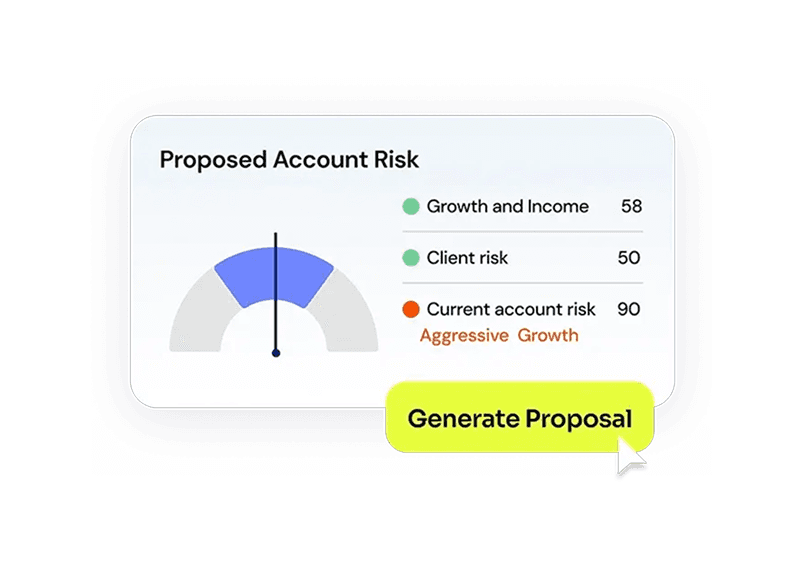 Custom Software
Vestmark · 2026
50%faster delivery times
 Custom Software
Hartford Consulting · 2025
Hours → secondstime to calculate QI account samples
[ Sibling platforms ]
Focused MVP builds for teams turning a software idea into a real, testable product without overbuilding the first release.
Booking, inventory, scheduling, and internal tools built around your process, customers, and operational teams.
Reliable backend systems covering database design, secure authentication, APIs, and integrations.
Testing, release pipelines, previews, monitoring, and support practices that make ongoing delivery dependable.
[ Field guides ]
[ Next step ]
Back to Custom Software