
01
Block & classic themes
theme.json tokens, block patterns, and template hierarchy chosen to fit the build.
[ Platform service ]
Custom WordPress websites with clean PHP themes, structured content, reliable plugins, and a maintainable editorial workflow.
[ What you get ]
[ How it works ]
[ Capabilities ]
The platform and discipline surface we work across — what an engagement can cover when the scope calls for it.
theme.json tokens, block patterns, and template hierarchy chosen to fit the build.
Gutenberg blocks registered with block.json so editors compose without touching PHP.
do_action and apply_filters extensions; plugins judged on maintenance cost, not marketing.
wp-json endpoints, application passwords, and safe read and write access for other tools.
Scripted migrations, updates, and data fixes that stay repeatable and auditable.
Page caching, image pipelines, and CWV work measured against a written budget.
Login protection, file permissions, and the audit that keeps the attack surface known.
Custom post types registered to mirror how your team actually organizes content.
Contrast, focus states, and semantic markup editors cannot easily break.
Staging environments and deploy routines so releases never touch production blind.
[ Field notes ]
[ Common questions ]
It depends on the project. We support classic themes and child themes in functions.php as well as block themes with Full Site Editing, theme.json, wp_template, and wp_template_part, choosing the approach that fits your team and content.
Yes. Migration is a core deliverable and typically uses WP-CLI and custom import scripts, with the content model planned during the audit and migration assessment.
They are registered in code with register_post_type() and register_taxonomy() so the structure is version-controlled and portable, rather than built through clicks.
Content is exposed through wp-json with custom routes where needed, and authenticated access is secured with application passwords or OAuth.
It covers updates, security monitoring, and editorial support, building on the plugin and security audit and the WP-CLI and Composer toolchain established during the build.
[ Industry examples ]
Industry case studies in this practice area — the problem, the build, and the results, credited to the agency that delivered each one.
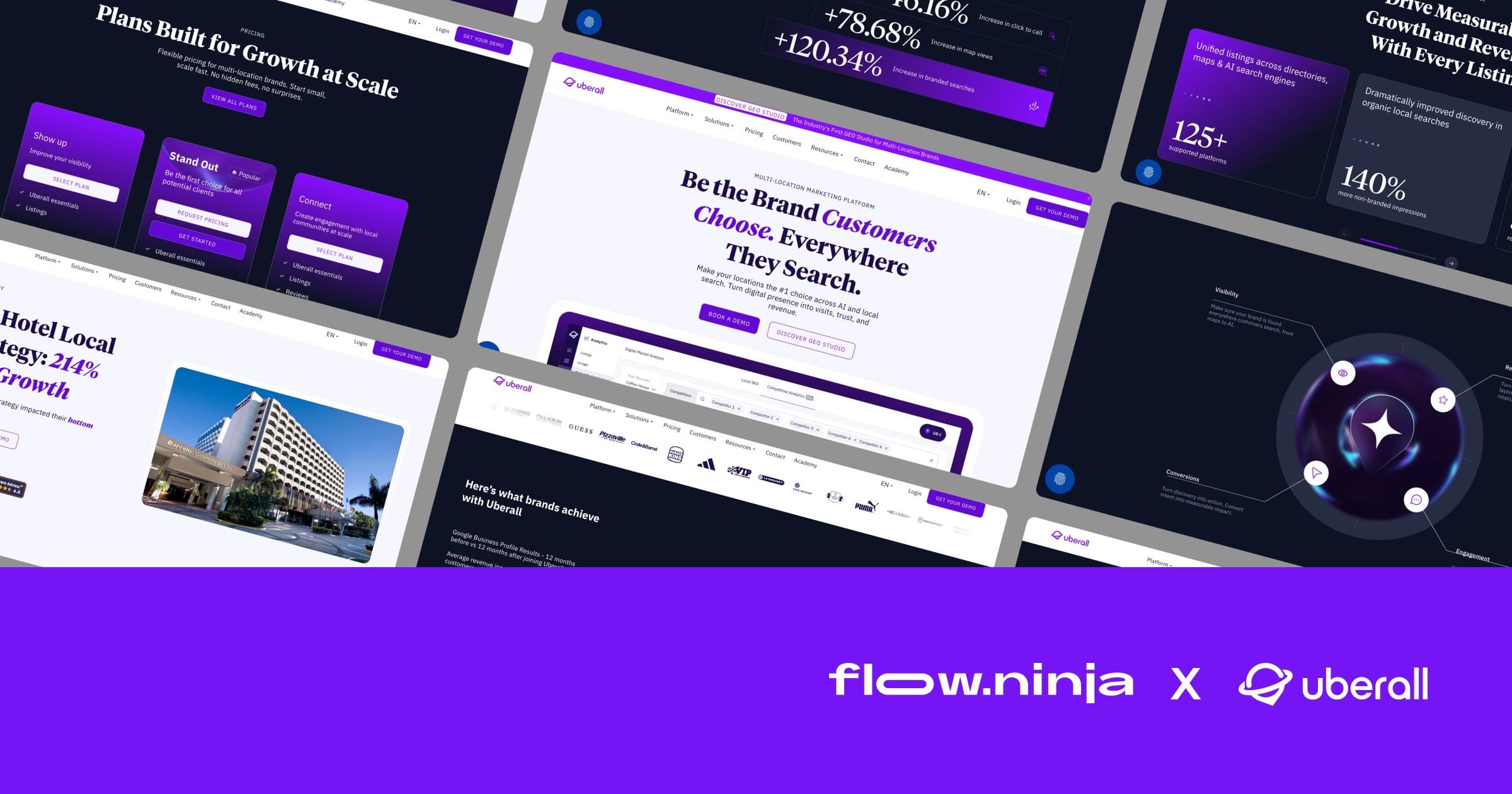 Web Development
Uberall · 2026
+21.4%YoY demo requests (Q1 2026)
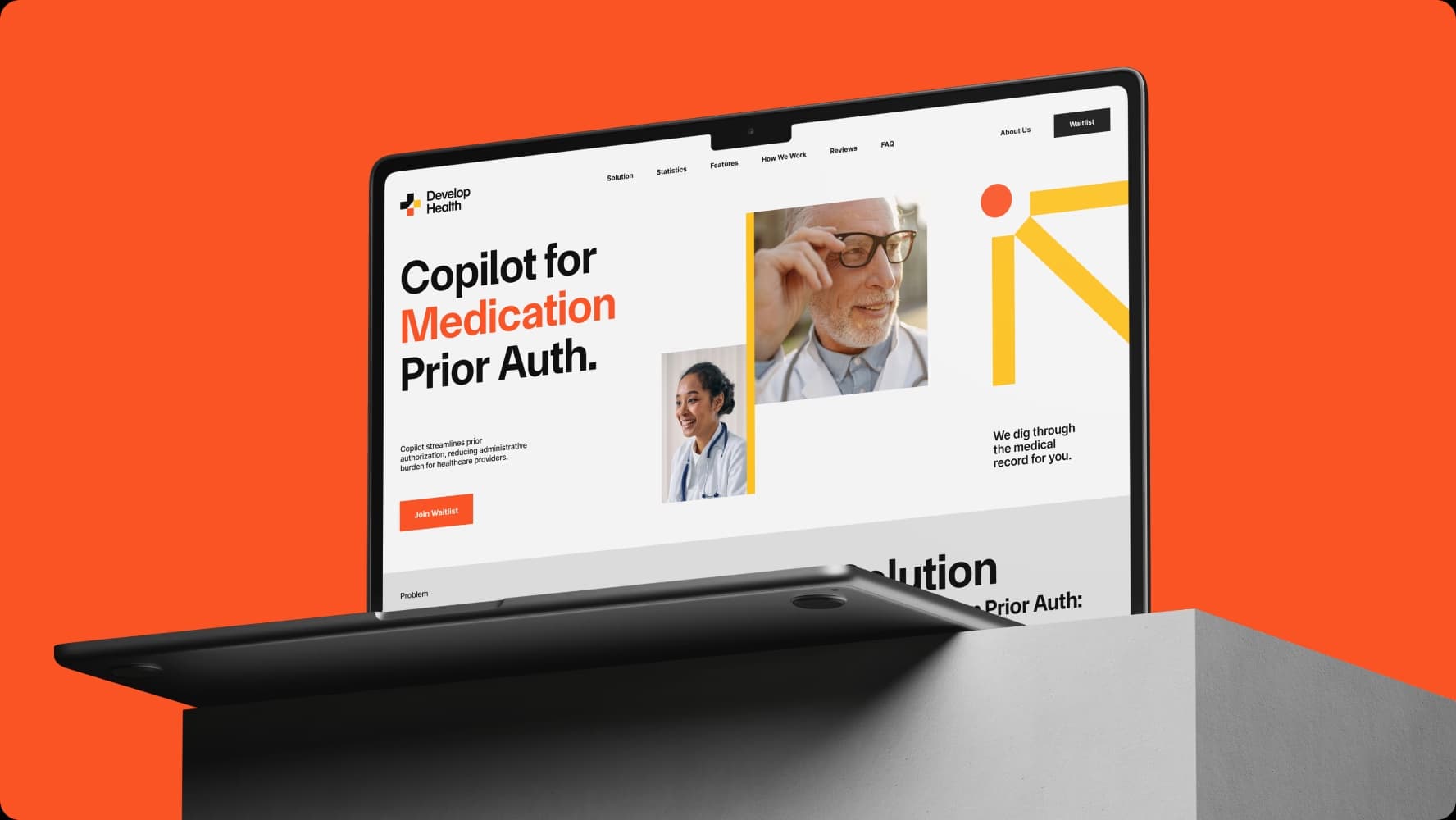 Web Development
Develop Health · 2026
$1.8Mfunding raised
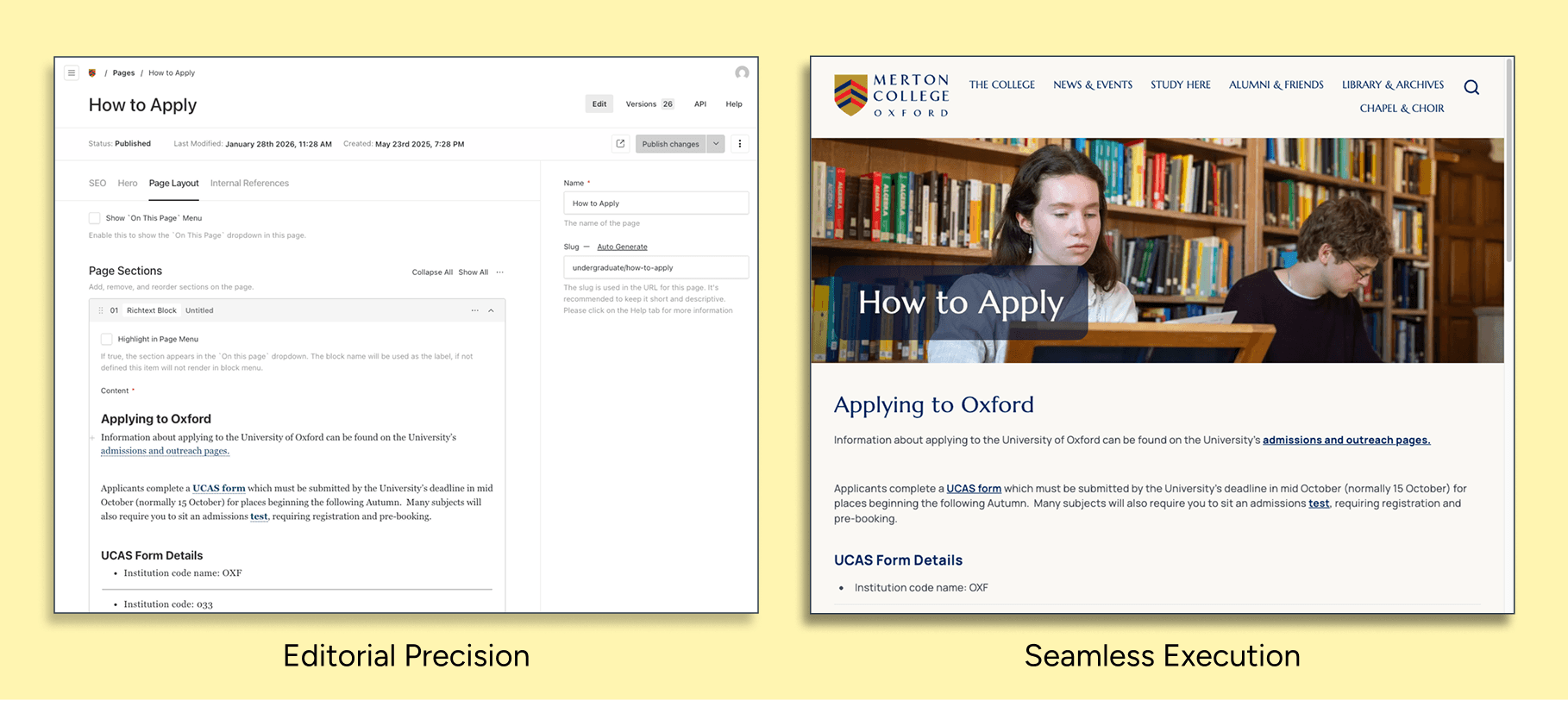 Web Development
Merton College, University of Oxford · 2026
~4,000pages migrated
[ Sibling platforms ]
Scalable Webflow marketing sites with structured CMS collections, reusable components, Data API connections, and a clean handoff for internal teams.
Responsive Wix Studio builds using Extend Websites with Velo, CMS content, and Wix Headless APIs where the platform fit is right.
HubSpot CMS websites built with HubL, reusable modules, themes, and content schemas that keep marketing teams independent.
Fast, search-ready Next.js applications using App Router, server rendering, Cache Components, headless content, and reliable edge deployment.
Product interfaces and web applications built in React with reusable components, React 19 Actions, clear state management, and stable API integration.
Nuxt and Vue websites for content-heavy or product-led teams using the current app directory conventions and flexible rendering.
Fast Framer sites with polished motion, Code Components, reusable sections, and an editor-friendly setup for campaigns and product launches.
[ Field guides ]
Twelve questions that expose how an agency actually works: ownership, handoff, process, references, support terms, and the pricing structure behind the pitch.
Most redesign traffic drops are self-inflicted: changed URLs, missing redirects, thinner content. A migration plan built before design starts prevents them.
[ Next step ]
Back to Web Development