
01
App Router & layouts
Route groups, nested layouts, and streaming server components used deliberately.
[ Platform service ]
Fast, search-ready Next.js applications using App Router, server rendering, Cache Components, headless content, and reliable edge deployment.
[ What you get ]
[ How it works ]
[ Capabilities ]
The platform and discipline surface we work across — what an engagement can cover when the scope calls for it.
Route groups, nested layouts, and streaming server components used deliberately.
The split decided per feature — data stays on the server until it must move.
Request caching, revalidation tags, and invalidation that keeps content fresh.
Server Actions and route handlers with typed contracts and error states.
Content sourced from your CMS with preview and draft flows intact.
next/image, font subsetting, and the asset pipeline behind the budget.
Per-route metadata, sitemaps, structured data, and Open Graph generation.
Redirects, auth gates, and path logic where the edge is the right place.
Type checks, lint, and smoke tests wired so merges cannot regress the budget.
Web vitals reporting and error tracking on the surfaces your team reads.
[ Field notes ]
[ Common questions ]
It is per-route: server-side rendering, static generation, Cache Components with use cache, or ISR are chosen based on how often each piece of content changes and how the route should stream or revalidate.
Through headless CMS and API integration, with data fetched using the framework's native patterns so editors stay in their CMS.
Every change gets its own URL via preview deployments on Vercel, so it can be reviewed before it ships to production.
Yes. TypeScript is used throughout so the routes, components, and CMS data shapes stay safe as the application grows.
Performance is enforced with a budget tied to Core Web Vitals, checked during the build and again at launch.
[ Industry examples ]
Industry case studies in this practice area — the problem, the build, and the results, credited to the agency that delivered each one.
 Web Development
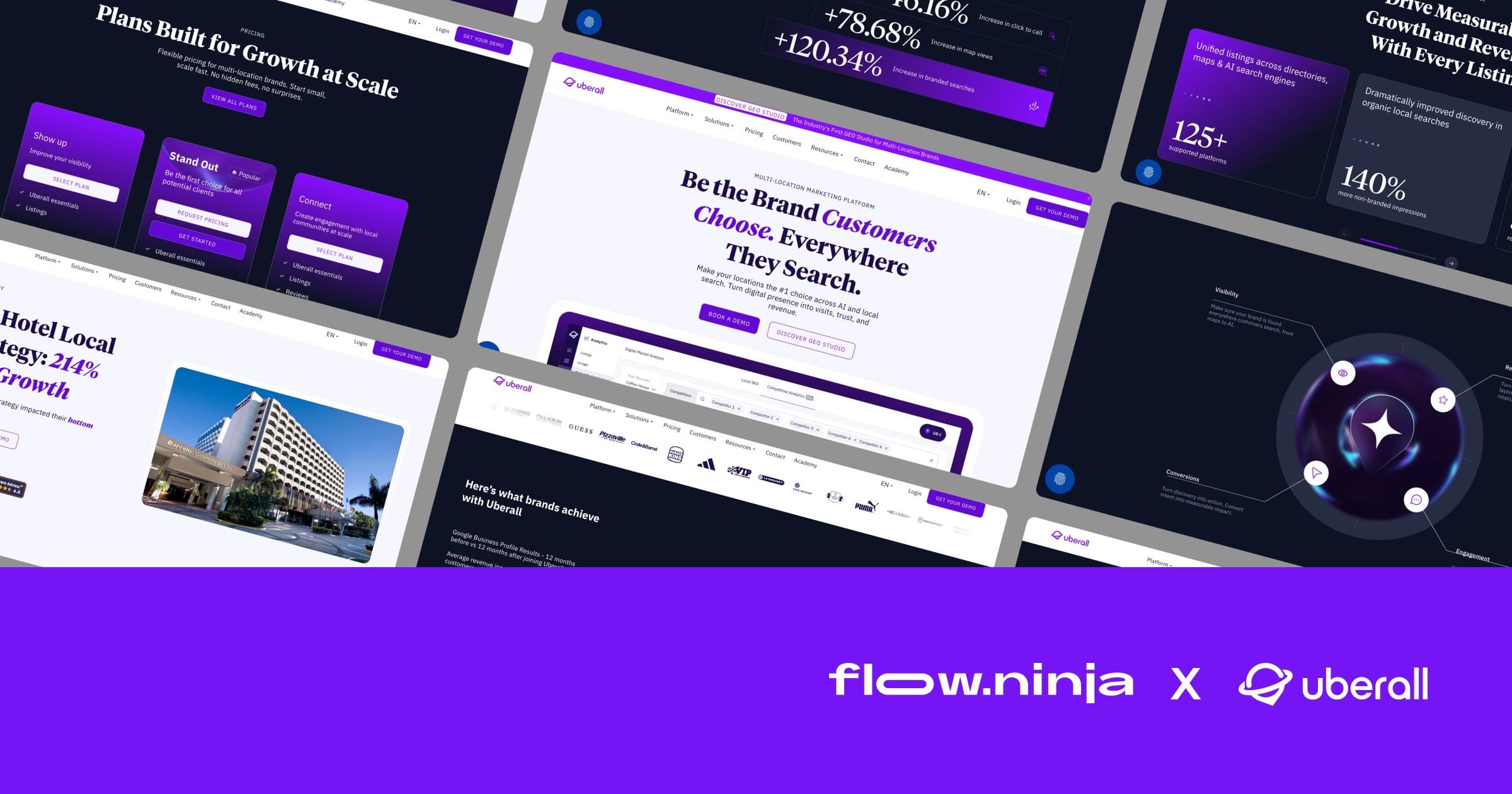
Uberall · 2026
+21.4%YoY demo requests (Q1 2026)
 Web Development
Develop Health · 2026
$1.8Mfunding raised
 Web Development
Merton College, University of Oxford · 2026
~4,000pages migrated
[ Sibling platforms ]
Custom WordPress websites with clean PHP themes, structured content, reliable plugins, and a maintainable editorial workflow.
Scalable Webflow marketing sites with structured CMS collections, reusable components, Data API connections, and a clean handoff for internal teams.
Responsive Wix Studio builds using Extend Websites with Velo, CMS content, and Wix Headless APIs where the platform fit is right.
HubSpot CMS websites built with HubL, reusable modules, themes, and content schemas that keep marketing teams independent.
Product interfaces and web applications built in React with reusable components, React 19 Actions, clear state management, and stable API integration.
Nuxt and Vue websites for content-heavy or product-led teams using the current app directory conventions and flexible rendering.
Fast Framer sites with polished motion, Code Components, reusable sections, and an editor-friendly setup for campaigns and product launches.
[ Field guides ]
What server components, layouts, streaming, and cache components change about speed, hosting costs, and the questions you should ask your development team.
Where the three-second rule comes from, the things that make landing pages slow, and how to prioritize fixes without breaking tracking or search visibility.
[ Next step ]
Back to Web Development