
01
Liquid & OS 2.0
Sections, blocks, JSON templates, and app-embed architecture.
[ Platform service ]
Shopify storefronts using Liquid, custom sections, integrations, and conversion-focused shopping journeys.
[ What you get ]
[ How it works ]
[ Capabilities ]
The platform and discipline surface we work across — what an engagement can cover when the scope calls for it.
Sections, blocks, JSON templates, and app-embed architecture.
Custom data models that give merchants structured fields to run with.
Settings schemas and presets that make the theme editable by non-developers.
GraphQL reads and writes for custom storefronts and internal tooling.
Checkout extensibility awareness, payment routing, and test-transaction verification.
App selection on evidence and first-party pixel events verified end to end.
Subscription apps and B2B price-list structures where the model needs them.
Markets, currencies, and localization set up deliberately.
Scripts deferred, images sized, and Lighthouse tracked on real templates.
Staged product and content moves with a redirect map that protects rankings.
[ Field notes ]
[ Common questions ]
Liquid is Shopify's template language built on tags, filters, and objects like product, collection, and cart. It controls how storefront data renders, so theme quality depends on how Liquid is structured.
OS 2.0 introduces JSON templates, section groups, and flexible section placement. Merchants compose pages from the theme editor while developers keep control in theme files and metafields.
A custom storefront that needs complete frontend control uses the GraphQL Storefront API for products, cart, and checkout URL. It pairs the Shopify backend with a decoupled frontend.
Shopify Functions add custom discounts, payments, and delivery options to checkout. They extend checkout behavior within Shopify's extensibility model instead of patching checkout code.
Apps built with Polaris and App Bridge interact with the Admin API through access scopes and webhooks. App blocks slot into OS 2.0 sections so storefront and app remain aligned.
[ Industry examples ]
Industry case studies in this practice area — the problem, the build, and the results, credited to the agency that delivered each one.
 Ecommerce
Cutler and Gross · 2026
+29%ranking keywords
 Ecommerce
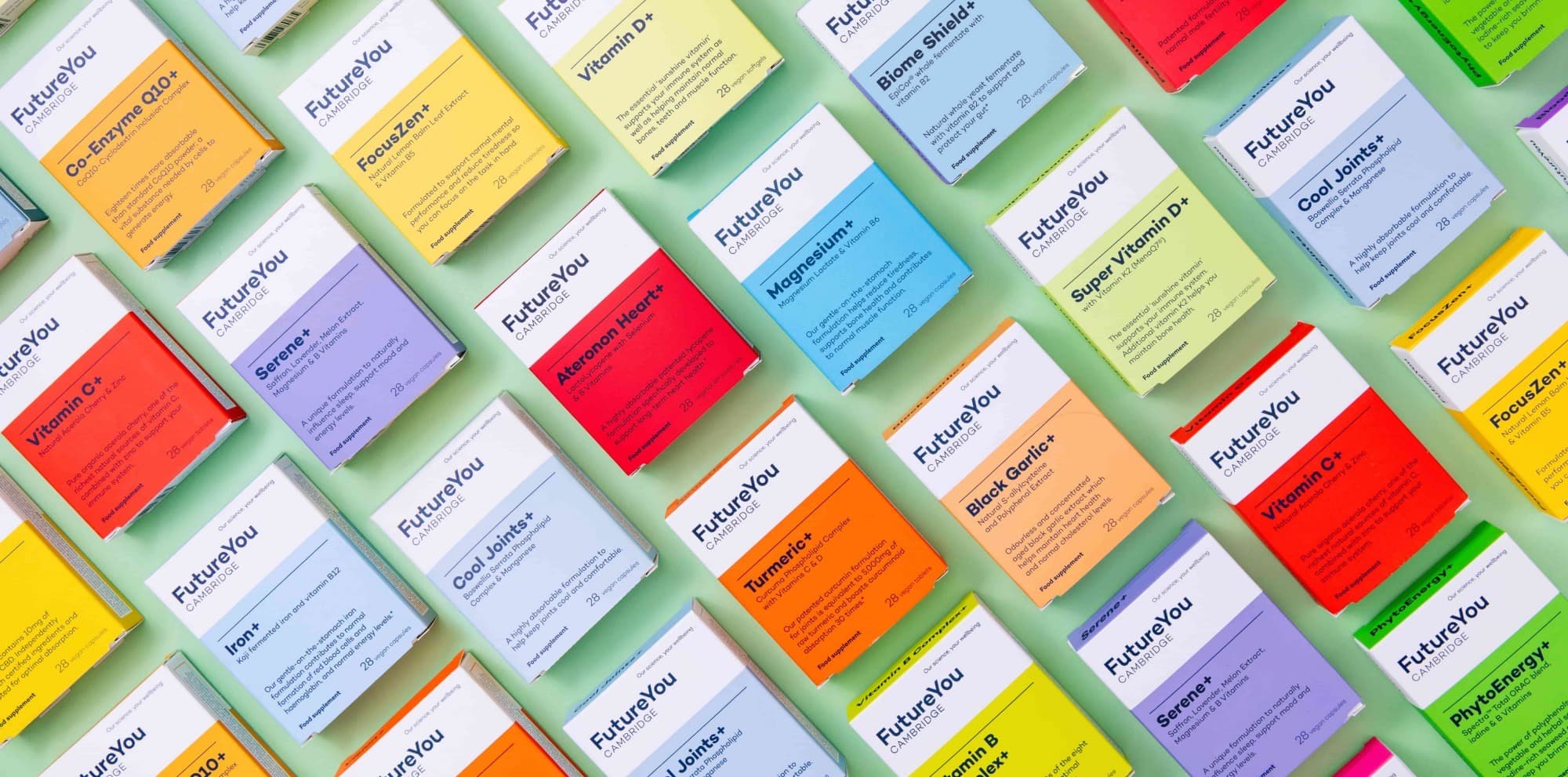
FutureYou Cambridge · 2025
30,000+subscribers migrated to Recharge
 Ecommerce
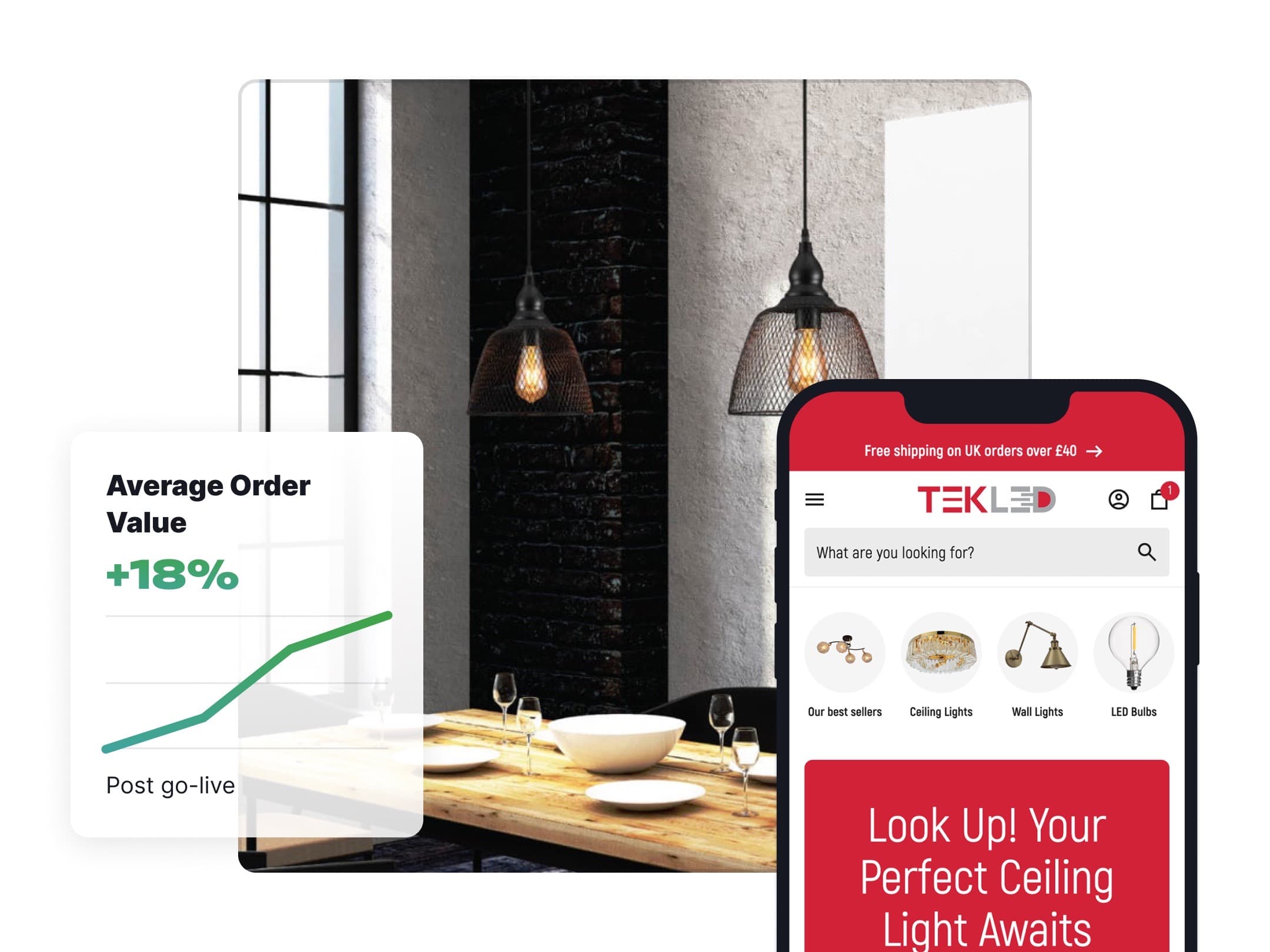
TEKLED · 2025
+18%average order value
[ Sibling platforms ]
Flexible WooCommerce stores with block-based cart and checkout, Store API integrations, payment setup, and performance work for growing catalogs.
Wix Ecommerce stores with mobile-first merchandising, catalog-version awareness, payment setup, and connected operations.
BigCommerce builds for brands that need flexible catalog controls, B2B capability, Catalyst or Stencil storefronts, and connected commerce operations.
Composable commerce storefronts that pair a fast frontend with platform APIs, BigCommerce Catalyst or Hydrogen, edge caching, and flexible content operations.
Adobe Commerce and Magento work across complex catalogs, custom pricing, GraphQL, integrations, and enterprise operational requirements.
Polished Squarespace Commerce stores with hosted checkout, Commerce API awareness, focused product ranges, and a straightforward editor experience.
Brand-led Webflow Ecommerce experiences using structured product data, the Data API, and a hosted Stripe-powered checkout journey.
[ Field guides ]
Load testing, checkout reliability, inventory, campaigns, support, and a rollback plan: how to prepare an ecommerce store for Black Friday traffic.
Media, copy, reviews, shipping clarity, trust, mobile UX, and structured data, in a practical product page checklist aimed at more completed checkouts.
[ Next step ]
Back to Ecommerce