
[ Industry case study — Web Development ]
One intranet for 23,700 NHS staff across five hospitals
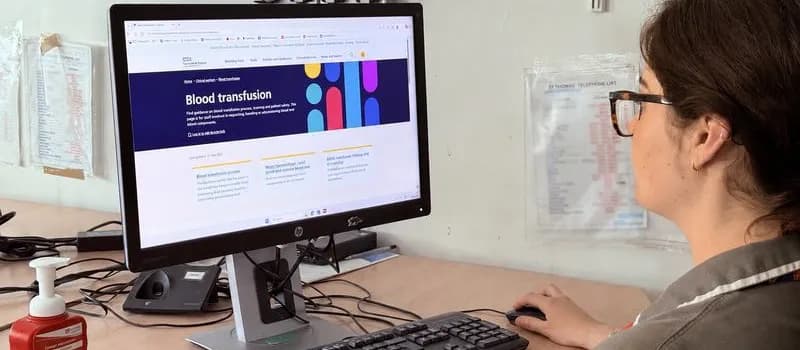
Torchbox helped Guy's and St Thomas' NHS Foundation Trust merge two legacy intranets into a single Wagtail platform built around staff tasks. The new intranet drew almost 500,000 views in its first week and around 15,000 daily users.
Original project by Torchbox ↗Industry reference — not a NexSum Labs engagement.
- Client
- Guy's and St Thomas'
- Industry
- Healthcare
- Services
- Platform strategy, Content modelling and information architecture, Wagtail CMS build, AI-assisted user research
- Year
- 2026
- Timeline
- June to November
- Location
- United Kingdom
The client
Guy's and St Thomas' became one of the largest NHS trusts in the country after merging with Royal Brompton and Harefield in 2021, but it was still running two intranets built in the early 2000s. Those platforms could only be opened on a Trust device on the Trust's internal network, so porters, housekeepers, security staff and clinical staff working away from a desk were largely locked out. Torchbox rebuilt the intranet on Wagtail, starting from a platform already deployed at Cambridge University Hospitals, and worked through content modelling, auditing, drafting and a task-based information architecture.
The challenge
Running two intranets meant news had to be published twice under two different links, and departments could not easily share information with each other. Because the systems were so old, they could not be pulled up on a phone or personal device, and only worked on the Trust's internal network. Publishing news or updating a department's pages also demanded training and confidence that the legacy tools did not support. Much of the trust's content had never been organised around what staff actually needed to do.
The solution
01Focused two-week sprints
From June to November the team ran a series of two-week sprints covering content modelling, auditing and prioritisation, drafting, build and sign-off workshops with individual teams. Content was audited, structured and drafted before teams were asked what needed to change, so clinical staff were not pulled into weeks of back-and-forth.
02Task-based information architecture
Rather than organising the intranet by department, the team built around tasks, topics, themes and behaviour. That means someone on their first day can find what they need without knowing the name of the team responsible for it.
03AI-assisted user research
Because time-poor clinical staff could not easily book research sessions, a bespoke mobile-first, voice-enabled interview tool was built that digs deeper into short answers and follows interesting tangents. Around 80 AI-assisted interviews fed directly into product decisions and left the trust with a database of staff sentiment.
04A phased move off the legacy intranets
Instead of switching one intranet off and the new one on the same day, the trust used a phased approach. Within the first hour of launch pharmacy searches spiked, and by the end of the first 24 hours over 80 promoted search results had been added as a safety net for staff while content was still moving across.
The results
The intranet drew almost 500,000 views in its first week and around 15,000 daily users, essentially the trust's entire online staff base at any one time. The tools page became the third most visited page, giving staff a single A to Z of clinical decision support, guidance systems, email and other systems, and the health, wellbeing, discounts and support hub appears in the top 10 pages every week. The trust also built a Doctor's Hub with its chief resident doctor and medical office team. It is now working through around 20,000 items to close its final remaining legacy intranet.
Tools & stack
Original project by Torchbox ↗ — published by the delivering agency, included here as an industry reference.
[ More industry examples ]
More from web development.
 Web Development
Uberall · 2026
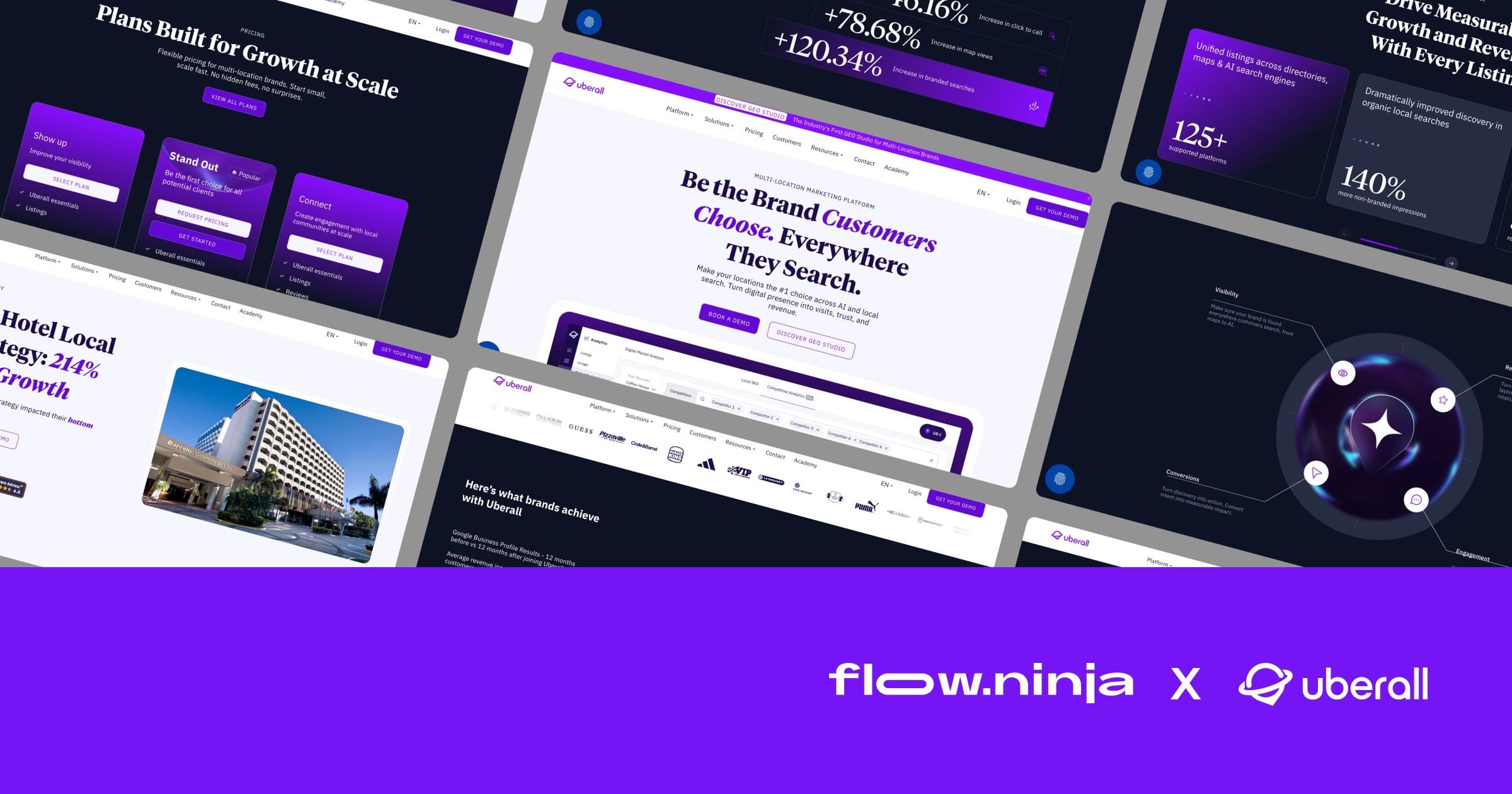
Five-language Webflow rebuild lifts demo requests 21.4%
+21.4%YoY demo requests (Q1 2026)
 Web Development
Develop Health · 2026
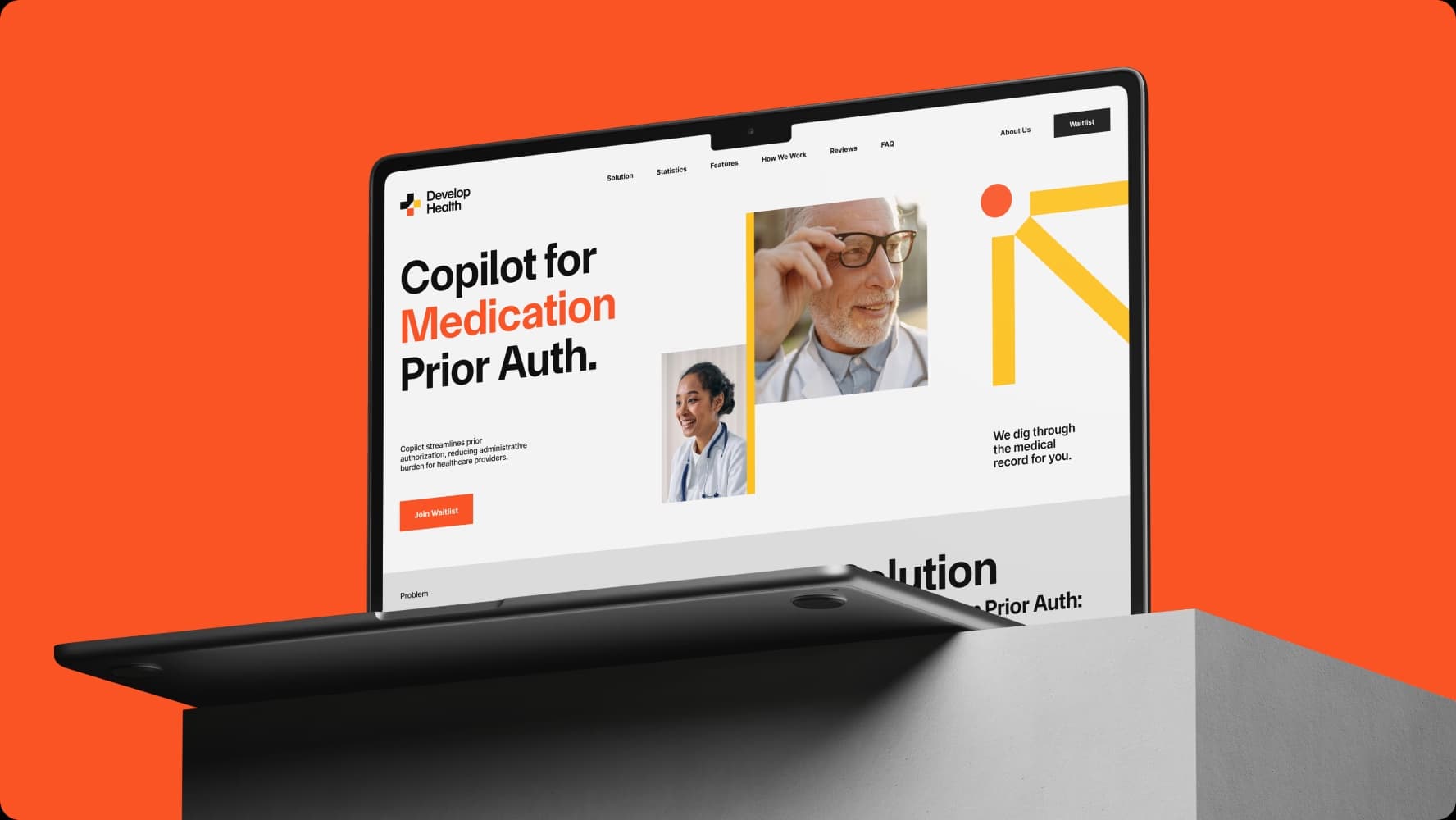
Swiss-style brand and Webflow site for a health-AI startup
$1.8Mfunding raised
 Web Development
Merton College, University of Oxford · 2026
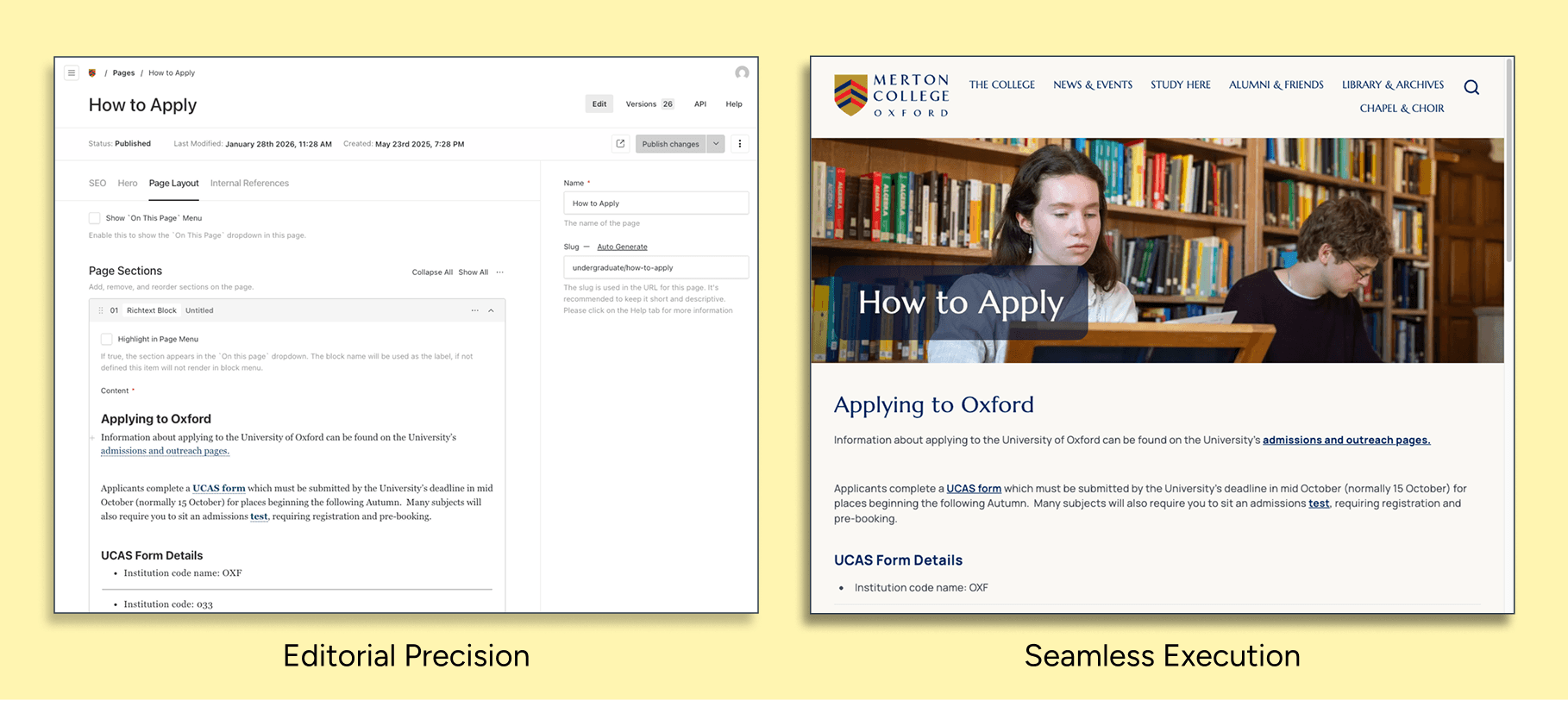
Oxford college moves 4,000 pages to headless Payload CMS
~4,000pages migrated
[ Next step ]
Want this kind of result? Let's scope it.
contact@nexsumlabs.tech — we reply within one business dayNext case study — Disasters Emergency Committee